

Three electric SUVs are reshaping the family hauler landscape in 2026, each taking a drastically different approach to the same problem. Tesla’s Model Y continues its software-first philosophy with a refreshed interior and new 4680 battery cells. Rivian’s R2 brings adventure-ready capability at a Honda CR-V price point. Ford’s Explorer EV resurrects an American icon with three-row seating and traditional controls.
The winner isn’t obvious. Tesla dominates charging infrastructure but lags in physical buttons. Rivian offers genuine off-road capability but limited service centers. Ford provides familiar ergonomics but enters a crowded field late. Your choice depends on whether you prioritize efficiency, adventure, or practicality.
Range, Charging, and Real-World Performance
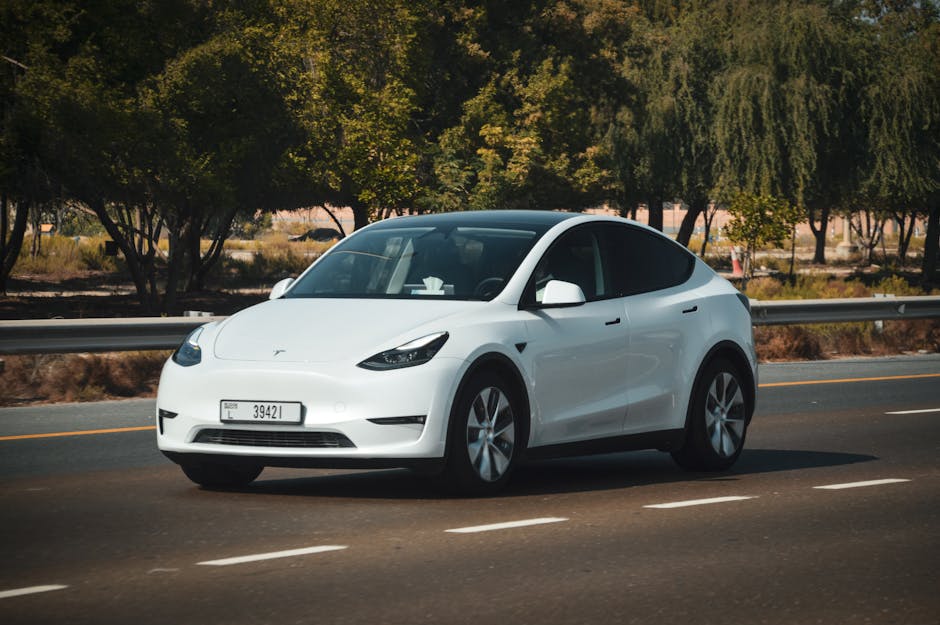
Tesla Model Y leads the efficiency race with 330 miles of EPA-estimated range in its Long Range variant. The refreshed 2026 model uses Tesla’s latest 4680 battery cells, enabling 250kW peak charging speeds that add 200 miles in 15 minutes at V4 Superchargers. In real-world highway driving at 70mph, expect about 280 miles—still class-leading.
Rivian R2 targets 300+ miles with its standard battery pack, though EPA numbers aren’t finalized. Rivian’s adventure-focused engineering includes underbody protection and higher ground clearance, which hurts aerodynamics but improves capability. The R2 supports 400V charging architecture, maxing out around 150kW—slower than Tesla but adequate for most road trips.
Ford Explorer EV aims for 300 miles in rear-wheel-drive configuration, dropping to approximately 270 miles with all-wheel-drive. Ford’s charging curve peaks at 150kW on 400V systems, similar to Rivian. However, Ford’s partnerships with Electrify America and upcoming Tesla Supercharger access (with adapter) provide more charging options than Rivian’s smaller network.
Charging Infrastructure Reality Check
Tesla’s Supercharger network remains unmatched with 50,000+ stalls in North America. Reliability consistently exceeds 95%, and payment integration happens automatically. Ford and Rivian owners must navigate Electrify America’s network, which has improved dramatically but still suffers occasional outages and payment glitches.
Starting late 2024, Ford owners gained Supercharger access with adapters. Rivian announced similar access for 2025, leveling the charging playing field somewhat. However, Tesla owners still enjoy the seamless experience of plug-and-charge without apps or adapters.
Interior Space, Technology, and Daily Usability
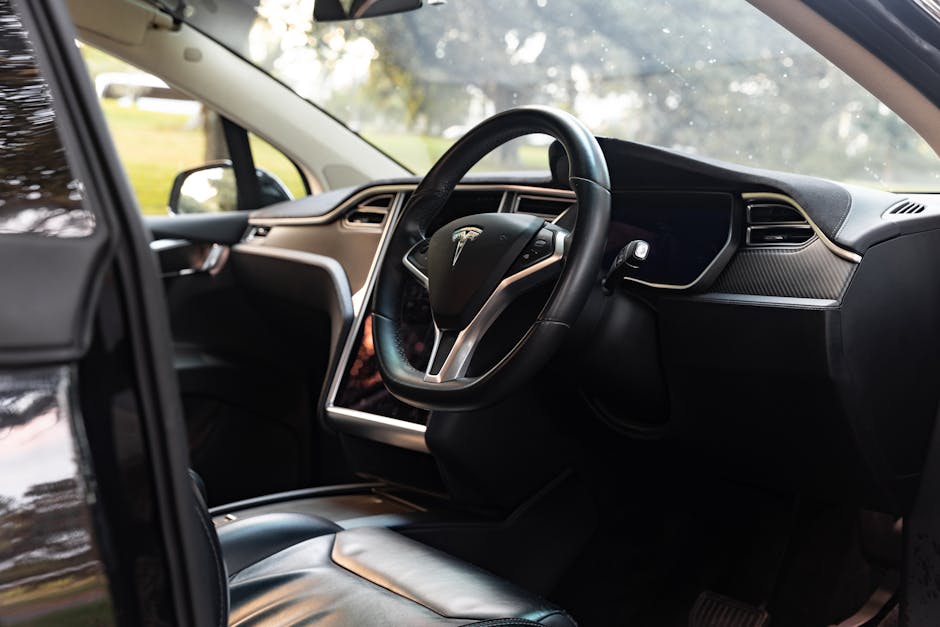
The Tesla Model Y’s minimalist interior divides opinion. Everything controls through a 15.4-inch touchscreen, including the glove compartment and turn signals. The 2026 refresh adds ambient lighting and improved materials, but physical buttons remain absent. Rear passengers get 39.6 inches of legroom and dual USB-C ports.
Rivian R2 balances tech with tactile controls. A 15.6-inch display handles navigation and entertainment, while climate controls use physical knobs and buttons. The panoramic glass roof and premium audio system (developed with Meridian) create an upscale feel despite the $45,000 base price. Rear seat space matches the Model Y, but the R2’s squared-off design provides better headroom.
Ford Explorer EV resurrects the three-row SUV configuration that Tesla and Rivian abandon. Second-row captain’s chairs or bench seating accommodate seven passengers total. The 15.5-inch SYNC 4A screen runs Ford’s latest software, but physical controls for climate and radio remain. Third-row access requires folding second-row seats, a minor inconvenience for occasional use.
Storage and Practicality
Tesla Model Y offers 76 cubic feet of cargo space with rear seats folded, plus a 4.1 cubic foot front trunk. The rear seats fold completely flat, enabling mattress-sized loads. However, the glass roof prevents roof-mounted cargo carriers.
Rivian R2 provides similar cargo volume but adds genuine utility features. The powered tailgate includes an integrated work surface, and the R2’s adventure-focused design accommodates roof racks, bike carriers, and rooftop tents. A front trunk adds extra storage for charging cables and emergency gear.
Ford Explorer EV sacrifices some cargo volume for third-row seating. Behind the second row, you get 43.7 cubic feet—adequate for families but less than five-seaters. The powered liftgate and low load floor ease loading heavy items.
Pricing, Value, and Market Positioning
Tesla Model Y starts at $52,490 for the Long Range AWD version in 2026. The Performance variant jumps to $56,490 but includes track-focused suspension, 21-inch wheels, and 0-60mph in 3.5 seconds. Tesla’s pricing remains firm with minimal dealer negotiation, but federal tax credit eligibility varies based on final assembly location.
Rivian R2 undercuts both competitors at $45,000 for the base model, positioned as the affordable adventure SUV. Higher trim levels with larger batteries and premium features will likely reach $55,000-60,000, but Rivian maintains the entry-level price advantage. The R2 qualifies for full federal tax credits, effectively dropping the base price to $37,500.
Ford Explorer EV pricing starts around $52,000 for five-seat configurations, climbing to $58,000+ for fully-loaded seven-seaters. Ford’s traditional dealer network enables local service and potential negotiation, unlike Tesla’s fixed pricing model. Federal tax credit eligibility depends on final battery sourcing but appears likely for most variants.
Long-Term Ownership Costs
Tesla’s over-the-air updates continuously improve performance and add features, potentially extending vehicle relevance. However, collision repairs prove expensive due to specialized parts and limited approved repair shops. Tesla’s service network, while growing, still requires appointments weeks in advance in many markets.
Rivian’s newer platform lacks long-term reliability data, but the company’s direct-sales model mirrors Tesla’s approach. Service centers remain limited, concentrated in major metropolitan areas. Mobile service helps with minor issues but major repairs require facility visits.
Ford leverages its extensive dealer network for service and warranty work. Parts availability and repair expertise exceed both EV-only brands, particularly important for three-row family vehicles. Ford’s traditional approach reassures buyers concerned about EV adoption risks.
The Verdict: Choose Your Priority
Tesla Model Y wins on efficiency, charging speed, and software sophistication. Buy it if you prioritize maximum range, seamless charging experiences, and don’t mind touchscreen-only controls. The Model Y suits tech-forward buyers who view cars as software platforms.
Rivian R2 offers the best value and genuine adventure capability. Its $45,000 starting price, combined with practical features and off-road competence, appeals to active families. Choose the R2 if you need capability beyond pavement and want luxury features without luxury pricing.
Ford Explorer EV serves traditional SUV buyers who need three rows and familiar controls. It’s the safe choice for families transitioning from gas SUVs who want minimal learning curves. The Explorer EV works best for buyers who prioritize passenger capacity and established service networks over cutting-edge technology.
For most buyers, the choice comes down to Tesla’s efficiency versus Rivian’s value versus Ford’s practicality. Each succeeds in its intended mission, making 2026 the first year where electric SUV buyers have genuinely distinct options rather than minor variations on the same theme.